
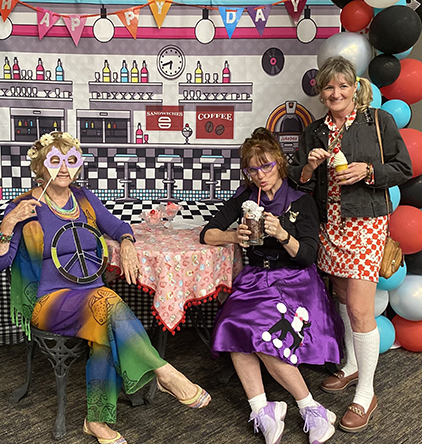
As a single senior, I have been wanting to create all different ways to build new relationships, reconnect with old friends, and get more active in the community. I find that it can be overwhelming at times. So I have created a list of social activities for single seniors that can be planned with some friends to stay involved and encourage connections.
Scheduling weekly or Monthly outings can serve as the perfect platform for seniors to socialize regularly. Here are some creative ideas to get you started. – Coffee Mornings: – Venue Choices: Mix it up with local diners, coffee shops, or even someone’s home. Each week can have a different theme, such as “Espresso Express” where everyone shares a funny coffee experience or “Sweet Treats Friday” where desserts are encouraged. – Follow-Up Activities: After coffee, some may want to take a stroll at a nearby park or browse a local bookstore together. – Lunch Bunch: – Rotating Locations: Each week focus on trying new cuisine—Italian, Mediterranean, or Asian fusion. Encourage guests to recommend places they love, adding a personal touch. – Discussion Ideas: Have a topic of the week for lunch conversations (like travel experiences, favorite books, or life goals) to spark engagement. – Nature Walks: – Guided Walks: Invite a local naturalist to join once a month to share interesting facts about flora and fauna, making it informative and unique. – Scavenger Hunts: Create a fun scavenger hunt list of things to find during the walk (like specific birds, plants, or types of trees) to promote teamwork and excitement.
Rather than having a traditional game night, here are some clever ways to make the traditional game night a little more memorable. – Game Choices: – Board Games: Incorporate classics like Settlers of Catan or newer cooperative games like Pandemic that encourage teamwork. Look for games that can accommodate varying numbers; some can work as pairs if the group is uneven. – Card Games: Introduce different styles (e.g., a night for Poker, Hand and Foot, and Uno), rotating experiences to keep everyone engaged in new formats. – Structure: – Potluck Style: Encourage each guest to bring a favorite game snack or beverage. This way, everyone contributes, and there’s a variety of food to enjoy. – Themed Costume Nights: Depending on the game, coordinate costume themes (like ’20s attire for a game of Clue or sci-fi costumes for Cards Against Humanity) to make the night light-hearted and fun.
When planning Potluck dinners, try a theme specific ideas. As well, this is a great opportunity to create a group cookbook to share. – Themes Ideas: – Cultural Nights: Choose a country and have dishes representing it (e.g., Italian night with pasta, bruschetta, and tiramisu). Guests can also share a little about what the dish means to them. – Comfort Food Night: Have guests bring their favorite comfort food dish along with a short story or memory associated with it. This invites storytelling and connection. – Planning Tips: – Recipe Swap: After dinner, have everyone share recipes of what they brought. creating a mini recipe book for all attendees. – Friendly Cook-Off: Consider having a friendly competition for the best dish, with a fun trophy or a simple crown as the prize.
Building relationships on shared interests by setting a creative opportunities also encourages personal growth. – Activity Ideas: – Craft Workshop: Pick a project, like painting flower pots. Everyone can paint their pot creatively and then plant a flower or herb to take home afterward. This not only provides a keepsake but gives attendees a chance to creatively express themselves. – Cooking Classes: Organize a themed cooking class (like Italian pasta-making). As well, have a guest lead the class if they’re skilled in that cuisine. This is not just about cooking but also a shared experience of laughter and flavors. – Guest Participation: – Skill Sharing: Encourage guests who have particular skills (like painting or photography) to share their craft each month. This gives everyone a chance to share their talents. In turn, everyone get a chance to explore a new craft.
Rather than having a simple gathering to discuss a shared book bring creative opportunities to encourage to make the gatherings compelling. – Book Club: – Genre Rotation: Each month can focus on a different genre, so there’s always something new to explore. Invite participants to bring book suggestions, and perhaps vote for the next month to encourage a sense of collective decision-making. – Author Visits: Look for local authors in your area who could come and speak about their work or agreement of books to deepen the discussion. – Movie Nights: – Diverse Genres: Schedule themes (like classic musicals, foreign films, or documentaries) so there’s new interests. Add a prior potluck component where friends can bring snacks themed around the film (e.g., Italian pasta salad for The Godfather). – Post-Movie Chats: After viewing a movie together, lead an informal discussion where attendees can share what they liked/disliked. Consequently, this encourages spirited conversations.
Participate in opportunities to volunteer together in community events and charities that build meaningful bonds and relationships. – Types of Volunteering: – Regular Commitments: Find a local organization that supports a cause close to the group’s heart, like a food bank, where volunteers can engage as a team periodically. – Unique Opportunities: Organize a one-day event such as “Adopt a Highway.” Then, everyone participates in cleaning a stretch of road. Additionally, this encourages physical activity while giving back. – Reflection Time: After volunteering, meet at a local café for coffee or snacks to reflect on the experience and share how it felt to contribute.
Making community events a group experience is another opportunity to create memories and build relationships. – Types of Events: – Concerts or Farmer’s Markets: Regularly attending these venues can create anticipated outing options. Make it a ritual to discover new artists or seasonal produce, sharing favorite finds with each other. – Local Workshops or Classes: Engage in workshops offered by the community center that allows the group to learn together (such as art classes or cooking demos). – Planning Ahead: Encourage everyone to create a community calendar. In addition, note upcoming events, and align ones to attend together as a group.
Scheduling time to make social connections becomes a chance to bond, share stories, and build lasting relationships. It’s all about creating a welcoming atmosphere where everyone feels included and valued. The possibilities are endless, and with creativity and enthusiasm, each gathering can become a cherished experience.